
Understanding the Concept of "Learn More"
In today's rapidly evolving educational landscape, the phrase "learn more" has taken on profound significance. As educators and institutions strive to foster an environment conducive to continuous improvement, the notion of encouraging students to delve deeper into their subjects has never been more crucial. Not only does this concept encapsulate the essence of lifelong learning, but it also emphasizes the importance of adapting to new information and methodologies. By adopting a mindset geared towards exploration, students become more engaged, inquisitive, and ultimately successful in their academic endeavors. For those interested in enhancing their understanding of educational practices, learn more about innovative strategies that can drive engagement and foster academic achievement.
Defining Learn More in Educational Context
The term "learn more" can be seen as an invitation to expand one’s knowledge base, transcending traditional learning paradigms. In an educational context, it suggests an approach where inquiry is at the forefront. Rather than merely absorbing information, students are encouraged to ask questions, seek clarification, and explore subjects from multiple angles. This shift from passive to active learning not only enhances comprehension but also equips students with critical thinking skills essential for their future careers.
Importance of Continuous Learning
Continuous learning is vital, especially in a world where information and technology evolve at an unprecedented rate. Emphasizing the need to "learn more" cultivates adaptability, enabling students to stay relevant in their chosen fields. This concept is particularly critical in industries where ongoing education is necessary to keep pace with changes in practices and technologies. By instilling a culture of continuous learning, educators prepare students not merely to survive but to thrive in their professional lives.
How Learn More Enhances Student Engagement
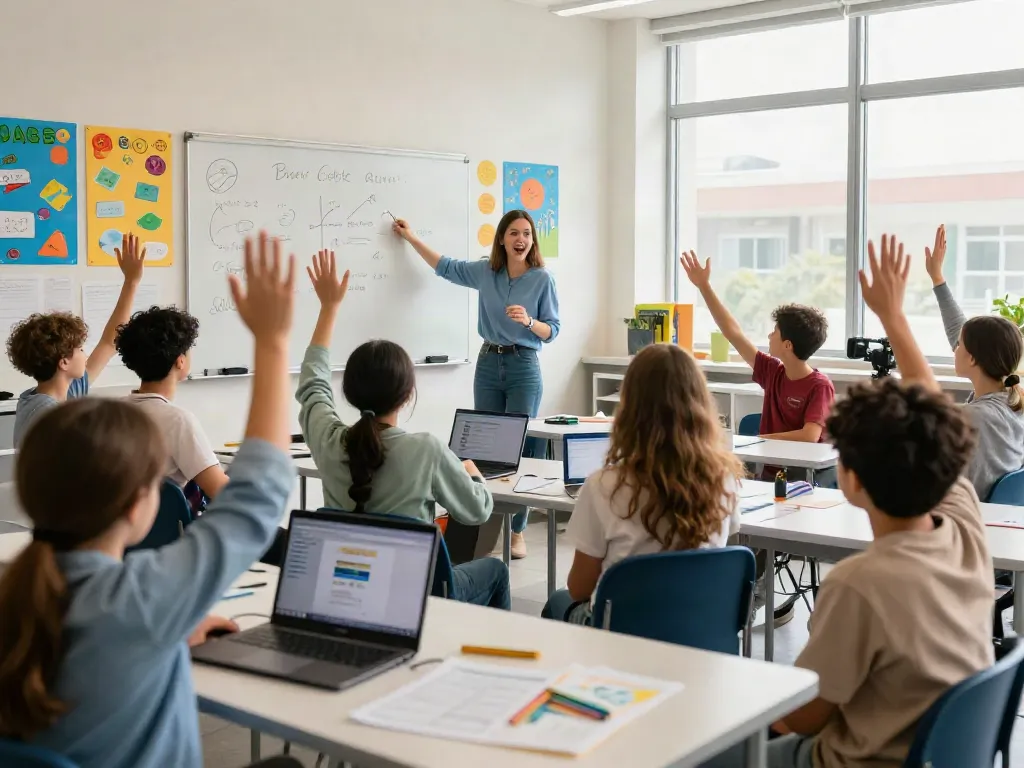
One of the most significant impacts of encouraging students to "learn more" is the enhancement of engagement levels. Traditional educational models often fail to capture the attention and interest of students, leading to disengagement. By promoting an environment where curiosity is nurtured and exploration is encouraged, educators can create a dynamic classroom atmosphere. Students who are actively involved in their learning processes are more likely to retain information, participate in discussions, and express a genuine interest in their subjects.
Challenges in Modern Learning Environments
While the goal of inspiring students to "learn more" is admirable, various challenges persist in modern learning environments that hinder this endeavor. Identifying and addressing these barriers is crucial for educators aiming to foster an effective learning atmosphere.
Identifying Barriers to Effective Learning
Many students face barriers that prevent them from fully engaging with the learning material. These barriers can include socioeconomic factors, limited access to resources, and even psychological challenges such as anxiety or lack of confidence. Understanding these challenges is the first step toward creating solutions that facilitate a more inclusive educational environment.
Overcoming Technological Obstacles
With the integration of technology in education, hurdles such as inadequate access to digital tools or a lack of familiarity with online learning platforms can significantly impact students' ability to "learn more." Educators must be proactive in ensuring that all students have the resources they need to succeed, including training sessions that familiarize them with necessary technologies.
Addressing Diverse Learning Styles
Another significant challenge relates to the diverse learning styles present in any given classroom. Traditional teaching methods may not address the unique needs of every student, leading to gaps in understanding and engagement. By acknowledging these differences and adapting teaching strategies—such as offering a mix of visual, auditory, and kinesthetic learning opportunities—educators can better cater to the needs of all students, facilitating a more effective learning experience.
Best Practices to Encourage Learning
To effectively promote the idea of "learn more," educators must implement best practices that create supportive and engaging learning environments.
Strategies for Teachers to Promote "Learn More"
Teachers play a pivotal role in fostering a culture of inquiry and exploration. Strategies such as incorporating project-based learning, encouraging group discussions, and allowing for creative expression can inspire students to delve deeper into their subjects. Providing opportunities for students to take ownership of their learning can significantly enhance their engagement levels and overall academic performance.
Integrating Technology into the Classroom
Technology can serve as a powerful tool to encourage students to "learn more." By integrating educational apps, online resources, and interactive platforms into the curriculum, teachers can make learning more dynamic and accessible. For instance, utilizing collaborative tools like Google Classroom can facilitate group projects and discussions beyond the traditional classroom setting, promoting continuous engagement and learning.
Creating a Supportive Learning Environment
A supportive learning environment is one where students feel safe to express their thoughts and questions. Educators can foster such an environment by encouraging feedback, building trust with students, and emphasizing the value of mistakes as learning opportunities. A classroom that values each student's voice promotes confidence and encourages active participation, leading to a more enriching educational experience.
Real-World Applications of Learn More
Implementing the "learn more" approach effectively requires real-world examples of successful programs and initiatives that educators can draw inspiration from.
Case Studies of Successful Learning Programs
Numerous educational institutions have adopted innovative strategies that emphasize continuous learning. For instance, schools implementing flipped classrooms—where students engage with content at home and apply their knowledge in class—have reported increased engagement and improved understanding of complex topics. These case studies serve as valuable blueprints for other educators looking to enhance their teaching practices.
How Schools Implement "Learn More" Strategies
Schools that have successfully integrated "learn more" strategies often use a variety of methods, including mentorship programs, hands-on learning experiences, and cross-curricular projects. These initiatives not only bolster academic performance but also prepare students with essential skills that extend beyond standard educational curricula.
Feedback from Educators and Students on Learning Initiatives
Gathering feedback from both educators and students regarding learning initiatives is crucial for continuous improvement. Educators who regularly assess their teaching strategies based on student performance and input are better equipped to adapt and refine their approaches. Similarly, students' perspectives can provide invaluable insights into the effectiveness of educational programs and the areas that require enhancement.
The Future of Learning: Trends and Predictions for 2026
As we move forward, it is essential to consider emerging trends in education that will shape the landscape of learning and engagement in the years to come.
Emerging Technologies Shaping Education
The future of education will undoubtedly be influenced by emerging technologies such as artificial intelligence, virtual reality, and personalized learning algorithms. These advancements hold the potential to transform how students engage with materials, allowing for a more tailored learning experience that meets individual needs and paces.
Predicted Changes in Learning Environments
Learning environments are expected to evolve significantly by 2026, with an emphasis on hybrid models that blend online and face-to-face instruction. This shift will likely enable greater flexibility and accessibility for students, allowing them to engage with learning materials at their convenience while still benefiting from in-person collaboration.
The Role of Lifelong Learning in Career Development
In an ever-changing job market, the concept of lifelong learning will become increasingly vital. As industries adapt to new technologies and methodologies, professionals will need to continuously update their skills. Educational institutions must prepare students not only for their first jobs but for ongoing education throughout their careers, emphasizing the importance of adaptability and lifelong learning.
What does "learn more" mean in education?
The phrase "learn more" in education embodies the pursuit of deeper understanding and knowledge expansion beyond superficial learning.
How can educators implement "learn more" strategies?
Educators can implement "learn more" strategies by fostering inquiry-based learning, incorporating technology, and encouraging student-led projects that promote exploration.
What are the benefits of encouraging continuous learning?
Encouraging continuous learning fosters adaptability, enhances critical thinking skills, and prepares students for a rapidly changing job market.
How does technology facilitate learning more?
Technology facilitates learning by providing access to a wealth of resources, interactive tools, and collaborative platforms that enhance engagement and understanding.
What future trends should educators be aware of?
Educators should be aware of trends such as personalized learning, hybrid instruction models, and the integration of advanced technologies that will shape the future of education.