Understanding Commercial Griddles: The Essential Guide
In the bustling environment of a commercial kitchen, efficiency and versatility are paramount. At the heart of many culinary operations lies the commercial griddle, an indispensable tool for preparing a variety of dishes from pancakes to burgers. With advancements in technology and design, today's griddles are more capable than ever, offering features that enhance cooking performance and ease of use. Whether you are a restaurant owner, chef, or catering professional, understanding the nuances of commercial griddles is essential for optimizing your kitchen setup. When exploring options, Commercial Griddles are a crucial investment for any food service operation.
What Are Commercial Griddles?
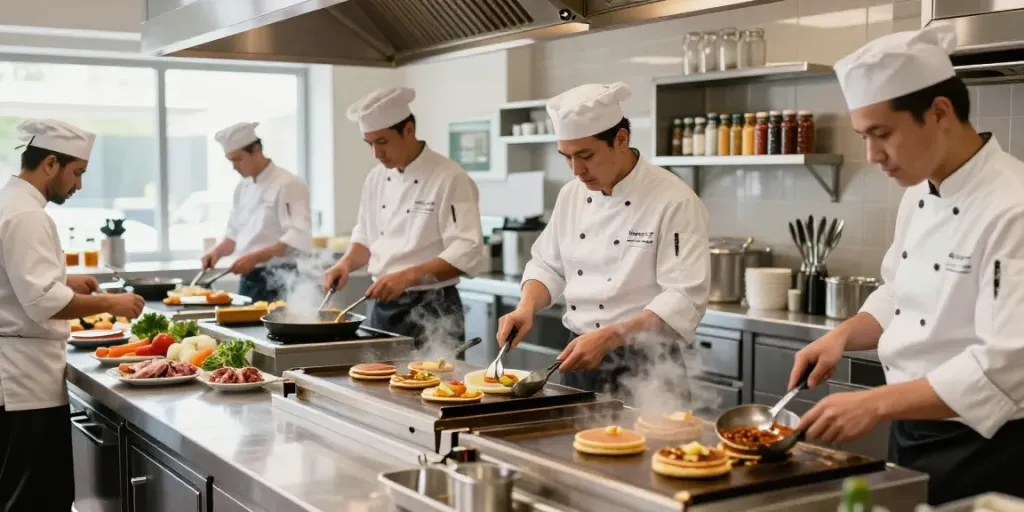
A commercial griddle is a flat cooking surface typically made of steel or cast iron, specifically designed for high-volume cooking in restaurants and catering environments. Unlike standard home griddles, commercial griddles are engineered to withstand the demands of professional kitchens, featuring robust construction and larger cooking areas. These appliances can cook a wide variety of foods, making them a versatile addition to any cooking arsenal. They are capable of handling everything from breakfast items like eggs and bacon to lunch staples such as sandwiches and burgers.
Types of Commercial Griddles: Gas vs. Electric
When considering a commercial griddle, one of the first decisions you'll make is choosing between gas and electric models. Each type offers distinct advantages that cater to different cooking styles and operational needs.
- Gas Griddles: Known for their rapid heat-up times and precise temperature control, gas griddles are often favored in busy kitchens. They typically feature flames that directly heat the cooking surface, allowing for even cooking and quick recovery times, making them ideal for high-volume cooking.
- Electric Griddles: These offer a more consistent cooking temperature and require less maintenance than their gas counterparts. Electric griddles are often equipped with advanced technology for temperature regulation, making them a popular choice in establishments where electrical supply is readily available and where safety is a concern.
Key Features to Look For in a Commercial Griddle
Investing in a commercial griddle requires careful thought regarding its features. Here are some essential aspects to consider:
- Size and Cooking Surface: Choose a griddle size that fits your kitchen space and meets your cooking volume requirements. Larger surfaces allow for cooking multiple items simultaneously.
- Heat Distribution: Look for griddles with good heat retention and distribution to ensure even cooking. Some models offer features like multiple heat zones to help manage different cooking tasks simultaneously.
- Material and Durability: Stainless steel and cast iron are common materials used in griddle construction. Stainless steel is easy to clean and maintain, while cast iron provides excellent heat retention.
- Grease Management: Effective grease management systems, including removable grease trays, simplify cleanup and enhance safety.
Performance Metrics: Evaluating Your Commercial Griddle
To ensure your griddle is performing at optimal levels, it's important to evaluate several performance metrics that indicate efficiency and cooking effectiveness.
Cooking Speed and Efficiency Tests
The speed at which a griddle can preheat and cook various items is critical for time-sensitive operations. High-quality griddles can reach desired temperatures quickly, allowing chefs to serve customers efficiently, especially during peak hours.
Heat Distribution and Recovery Rates
Even heat distribution is crucial to prevent hot or cold spots that can lead to uneven cooking. Checking the recovery rates—how quickly the griddle returns to the set temperature after placing food on the surface—will ensure that your cooking remains consistent, reducing the likelihood of undercooked or overcooked items.
Comparing Energy Consumption and Costs
With rising energy costs, considering the energy consumption of your griddle is essential for maintaining a profitable operation. Evaluate wattage for electric models and BTU ratings for gas models. Choosing energy-efficient models can lead to significant savings over time.
Maintenance Best Practices for Longevity
Proper maintenance of a commercial griddle is vital to ensure its longevity and consistent performance. Here are best practices to follow:
Daily Cleaning Techniques for Commercial Griddles
Daily cleaning after service is essential to prevent food residue buildup and maintain hygiene. Use a griddle scraper to remove debris, followed by a clean cloth with a food-safe cleaner. Regular cleaning not only prolongs the life of your griddle but also enhances food quality by eliminating flavors from previous dishes.
Routine Maintenance: What to Inspect Regularly
It is crucial to routinely check for signs of wear or damage, especially on the heating elements and control knobs. Regular inspections can help identify potential problems before they escalate, reducing downtime.
Common Issues and Troubleshooting Tips
Common issues with commercial griddles include uneven heating, sticking, and grease buildup. Troubleshooting these problems often involves checking temperature settings and cleaning grease traps. Understanding these issues will empower kitchen staff to maintain equipment effectively.
Innovative Trends in Commercial Griddle Technology (2026)
The landscape of commercial kitchen equipment is continually evolving with technological advancements. Here are some noteworthy trends for 2026:
Smart Griddles: IoT Integration in Commercial Kitchens
The integration of Internet of Things (IoT) technology in commercial griddles allows for remote monitoring and control of cooking parameters. This innovation can lead to enhanced operational efficiency and improved food quality.
Energy-Efficient Models and Sustainable Practices
As sustainability becomes a priority for many businesses, manufacturers are focusing on producing energy-efficient griddles. By utilizing advanced insulation technologies and better fuel consumption methods, these models are designed to reduce energy waste significantly.
Future-Ready Performance Features for 2026 and Beyond
In the ever-evolving culinary world, griddles are now being designed with features such as programmable cooking settings, integrated temperature probes, and enhanced safety protocols, ensuring ease of use and consistency for chefs.
Maximizing Your Griddle’s Potential: Tips and Recipes
To get the most out of your commercial griddle, consider the following strategies:
High-Volume Cooking Strategies for Restaurants
Maximize cooking efficiency by organizing your workflow. Pre-heat sections of the griddle for specific items, and train staff to multitask effectively, which can speed up service during busy periods.
Best Recipes to Showcase Your Griddle Skills
Utilizing your griddle, explore recipes that offer variety and appeal. From breakfast burritos to gourmet grilled cheese, the versatility of your griddle can cater to diverse customer preferences.
Expert Advice from Culinary Professionals
Consulting with experienced chefs can provide insights into the most effective ways to use a griddle. They can share tips on temperature settings, food pairings, and cooking techniques that maximize flavor and appeal.
What Griddle Should Restaurants Use?
Restaurants aiming for efficiency and versatility should consider gas models for high-volume needs while electric versions may suit establishments with lighter requirements or where gas supply is limited.
How to Choose the Best Commercial Griddle?
When selecting a commercial griddle, assess your menu, kitchen layout, and volume demands. Understanding these factors will help narrow down the best model to meet your needs.
What Are the Benefits of Using Gas Over Electric Griddles?
Gas griddles often offer higher heat outputs and faster cooking times, making them ideal for high-volume kitchens. However, electric griddles can provide more stable cooking temperatures and require less overall maintenance.
Can Commercial Griddles Be Used for Catering Events?
Absolutely! Many commercial griddles are portable and designed for outdoor use, making them an excellent choice for catering events. They can handle a variety of foods and are perfect for venues that require on-site cooking.
What Unique Features Should a Food Truck Griddle Have?
Food truck griddles should be compact, energy-efficient, and feature easy portability. Ideally, they should also have a durable build to withstand the rigors of mobile service.